
The Evolution of Indian Sweet Making: From Traditional Kitchens to Modern Luxury

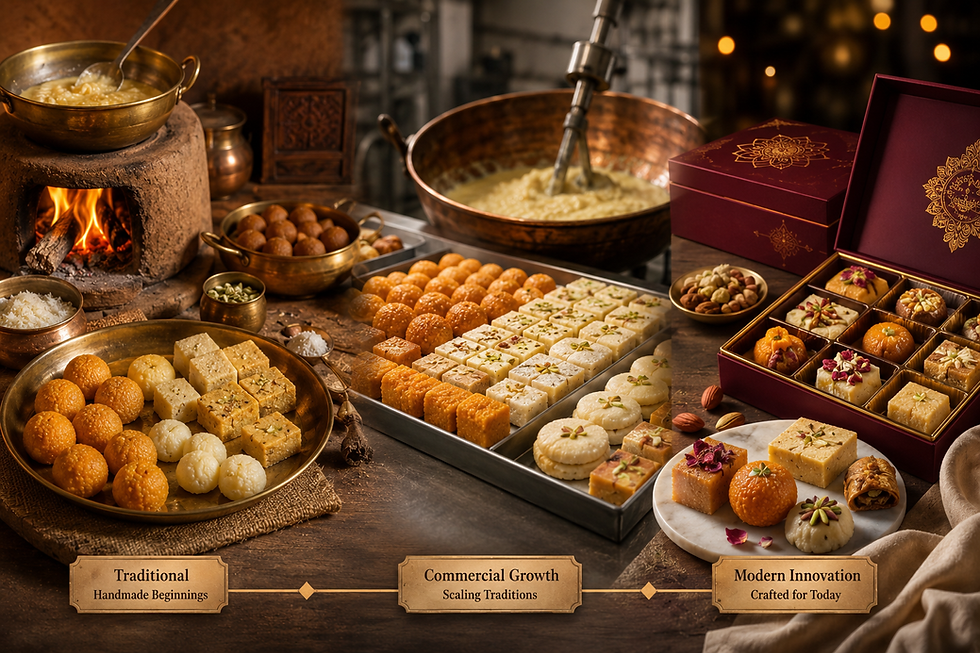
ndian sweets have undergone a remarkable transformation over centuries, evolving from simple homemade delicacies into refined culinary creations admired across the world. While the essence of mithai remains rooted in tradition, the methods, presentation, and craftsmanship behind sweet making have continuously adapted with time.
The Era of Handmade Tradition
The journey of Indian sweet making began in traditional households and temple kitchens, where sweets were crafted using locally sourced ingredients such as jaggery, milk, rice, wheat, and sesame. Every region developed its own techniques, influenced by local culture and seasonal availability.
In earlier times, sweets were entirely handmade using clay stoves, brass utensils, and age-old cooking methods passed down through generations. Recipes were closely guarded family traditions, often prepared during festivals, weddings, and religious ceremonies.
This era emphasized:
Fresh ingredients
Slow cooking techniques
Handcrafted preparation
Authentic regional flavors
The focus was not on appearance, but on purity, taste, and emotional connection.
The Influence of Royal Craftsmanship
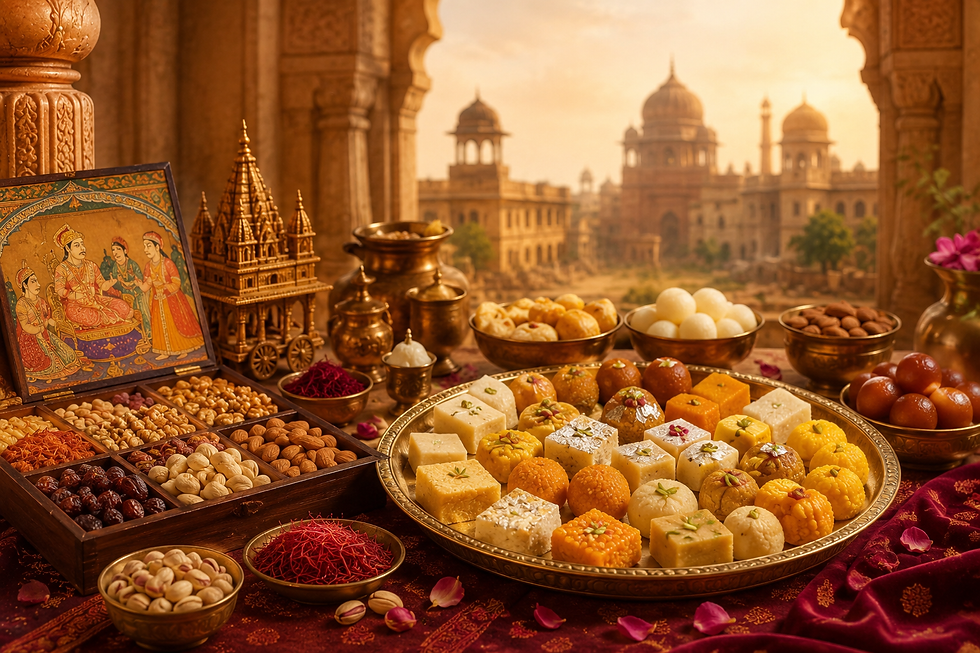
As Indian kingdoms flourished, sweet making evolved into an art form. Royal kitchens introduced sophistication, experimenting with premium ingredients like saffron, pistachios, almonds, rose water, and silver leaf (varak).
Mithai became a symbol of luxury and hospitality. Specialized halwais (traditional sweet makers) emerged, mastering techniques that required years of skill and precision.
During this period:
Decorative presentation became important
Rich milk-based sweets gained popularity
Layered and stuffed sweets evolved
Regional specialties achieved iconic status
Many sweets loved today, including Kaju Katli, Peda, and various Barfis, were refined during this era.
Industrialization and Commercial Expansion
With urbanization and growing demand, Indian sweet making entered a commercial phase. Sweet shops expanded across cities, introducing larger-scale production to cater to festivals and celebrations.
Machinery began assisting processes like mixing, shaping, and packaging. While this improved accessibility and consistency, mass production often compromised the handcrafted authenticity that traditional mithai was known for.
At the same time, sweets became more standardized:
Longer shelf life became important
Packaging improved for transportation
Sweet brands began emerging nationally
Mithai gifting culture expanded significantly
This period transformed Indian sweets from local delicacies into a nationwide industry.
The Rise of Premium and Artisanal Mithai
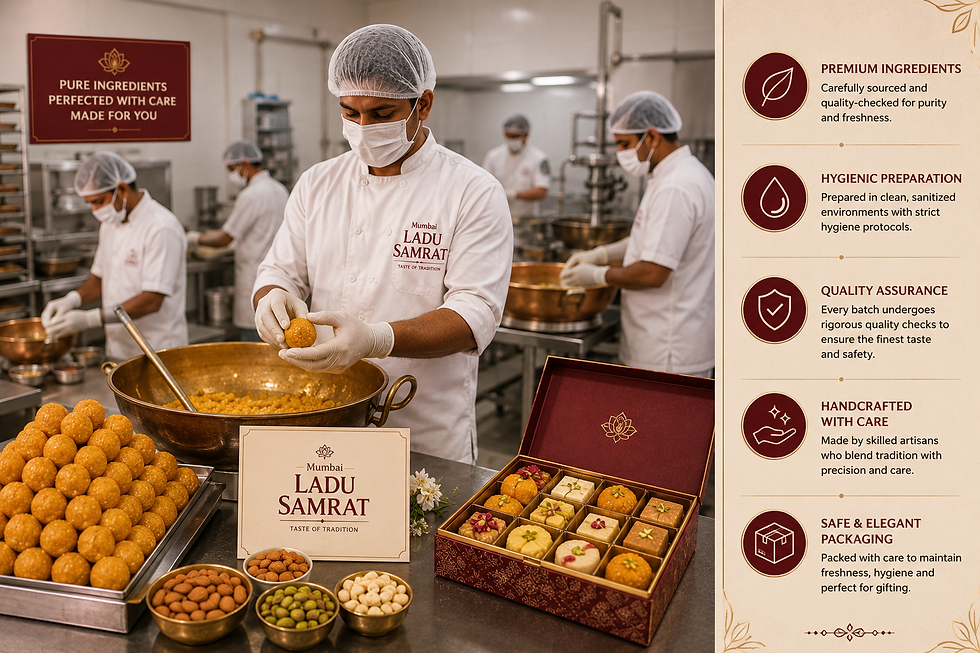
In recent years, Indian sweet making has experienced a modern renaissance. Consumers are once again valuing authenticity, quality ingredients, and artisanal craftsmanship.
Luxury mithai brands now combine:
Traditional recipes
Small-batch preparation
Elegant packaging
Premium dry fruits and pure ghee
Hygienic, modern production standards
Today’s mithai is not just about taste—it is about experience, presentation, and gifting culture. Indian sweets have become premium lifestyle products suitable for weddings, corporate gifting, and luxury celebrations.
Innovation Meets Tradition
Modern sweet makers continue to innovate while respecting heritage. Fusion flavors, healthier alternatives, sugar-conscious recipes, and international presentation styles are reshaping the industry.
Yet despite all innovation, the soul of Indian mithai remains unchanged: celebration, togetherness, and tradition.
Whether handcrafted in a village kitchen or elegantly packed in a luxury gift box, every sweet still carries the warmth and richness of India’s cultural legacy.
Conclusion
The evolution of Indian sweet making reflects India’s own journey through history—traditional yet adaptive, rooted yet progressive. From ancient homemade recipes to contemporary artisanal luxury, mithai continues to evolve while preserving the emotions and heritage that make it timeless.
Indian sweets are no longer just desserts; they are cultural treasures crafted with history, artistry, and love.
Comments